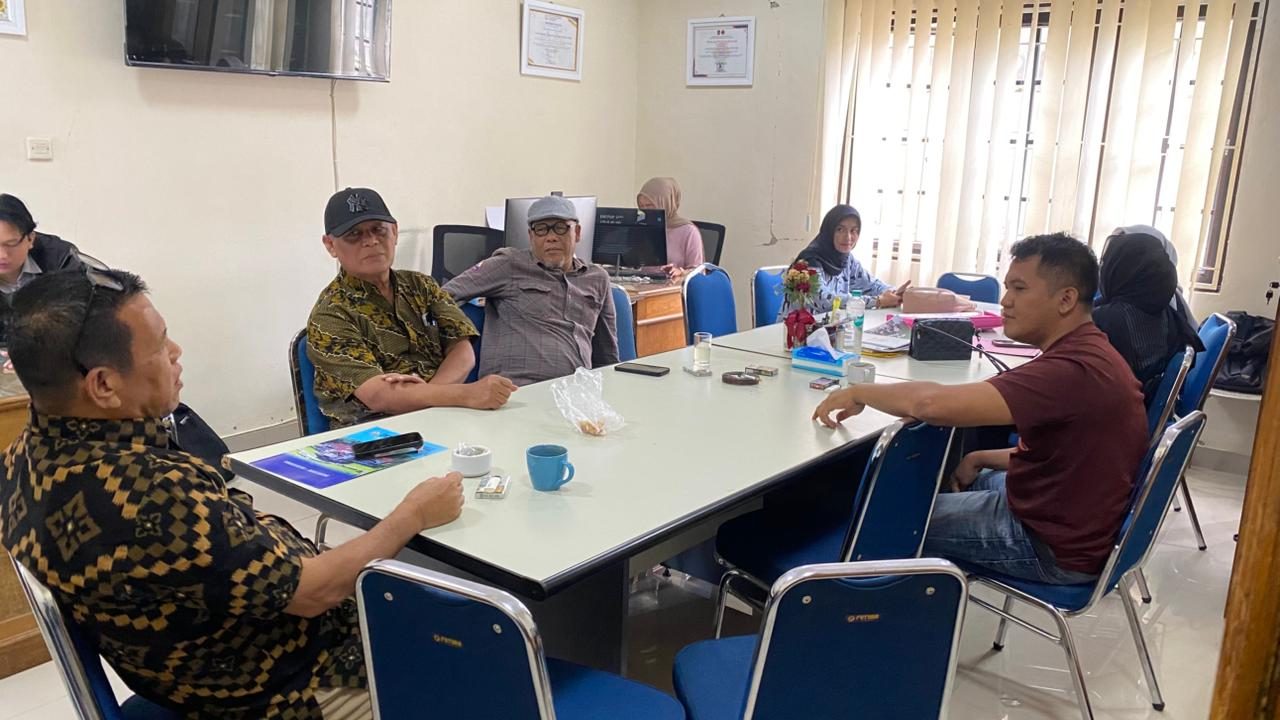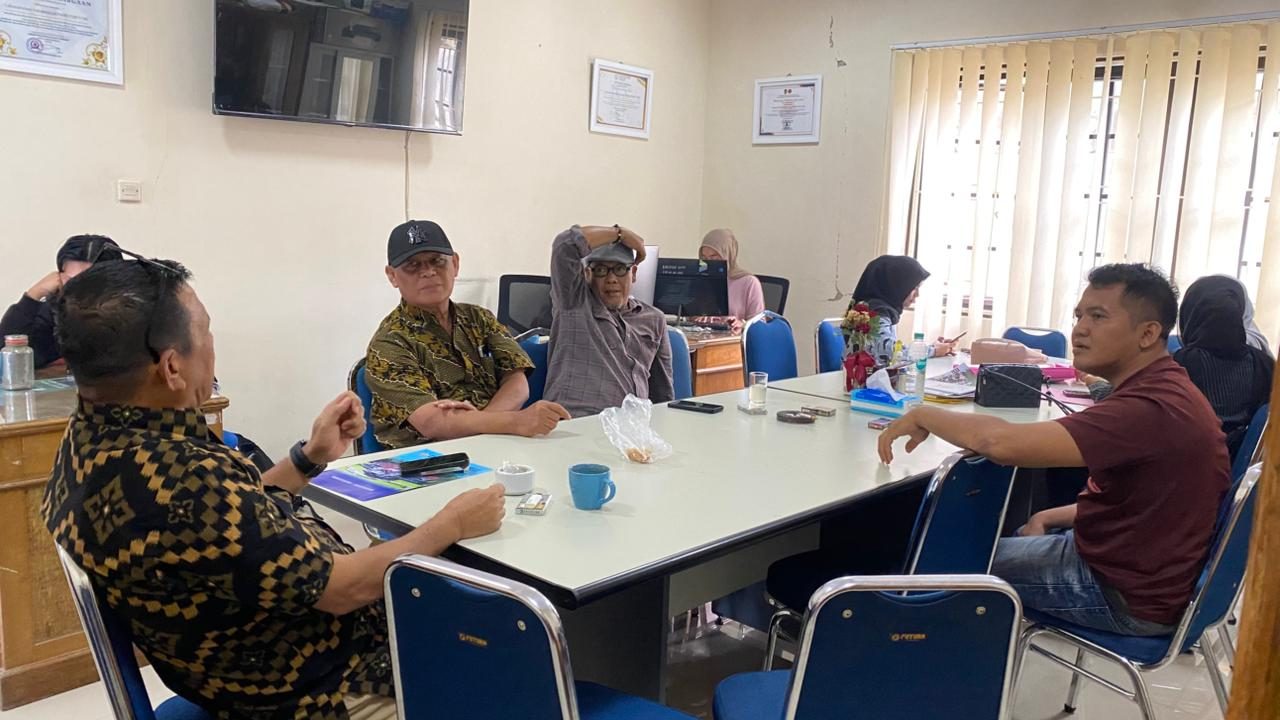
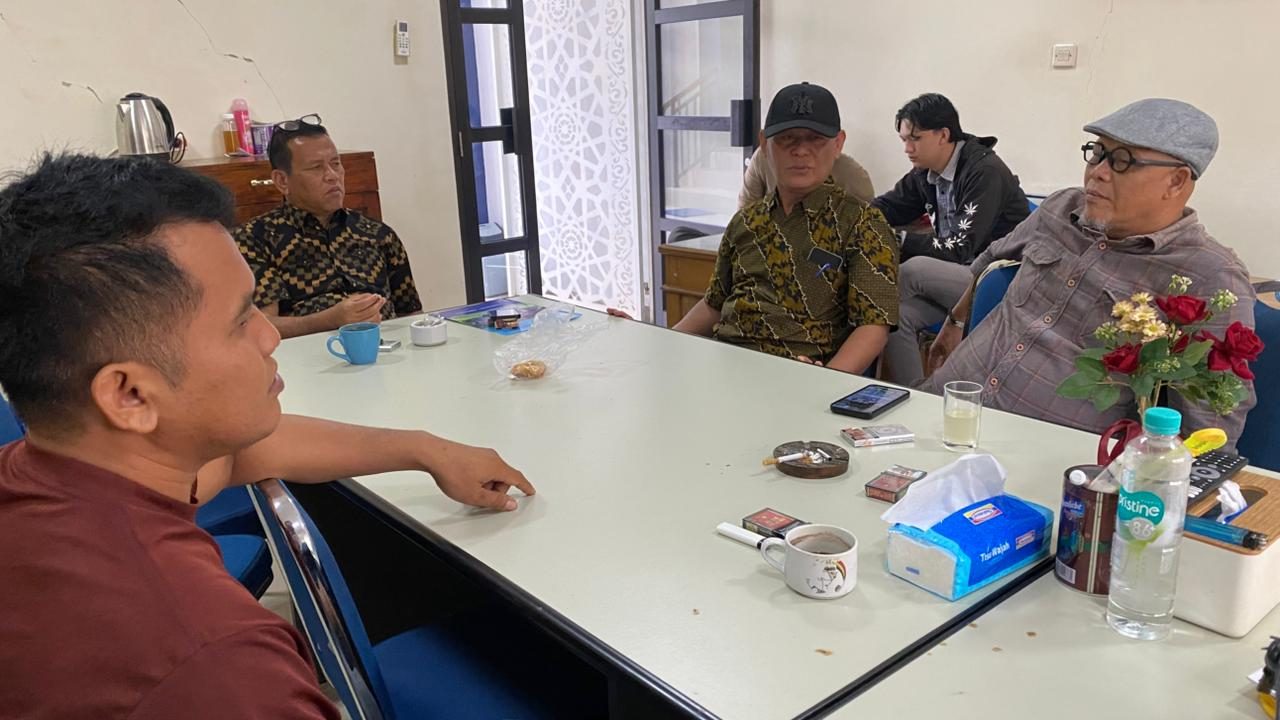
Held in the meeting room of the Public Administration Laboratory, an initial coordination meeting for the year was conducted between the team of the Public Administration Laboratory of Universitas Bengkulu and representatives of the National Population and Family Planning Board (BKKBN) of Bengkulu Province. This meeting represents a strategic step to align the collaboration agenda for this year, while continuing the positive synergy that has been established previously.
In his remarks, the Head of the Public Administration Laboratory expressed appreciation for the trust and partnership that have been built. "Collaboration between academics and government practitioners is key to producing policies that are relevant, data-based, and implementable. The successful preparation of previous policy briefs forms a strong foundation for expanding the scope of our cooperation," he said.
Meanwhile, the representative of BKKBN Bengkulu Province emphasized the importance of a scientific approach in supporting population and family planning programs at the regional level. "Support from the Public Administration Laboratory is very meaningful in providing in-depth analysis and policy recommendations that are well targeted, especially in addressing current population dynamics," he explained.
The coordination meeting discussed several priority agendas, including:
Evaluation and dissemination of previous Policy Briefs to ensure their impact and implementation.
Identification of strategic issues related to population, family, and regional development that require in-depth study.
Collaborative work plan for this year, including joint research, development of training modules, and policy socialization activities.
Routine coordination mechanisms to ensure effective communication and implementation.
It is expected that, through this synergy, both institutions can continue to contribute to strengthening governance and improving the quality of life of the people of Bengkulu. Collaboration between the academic world and government practice not only enriches scientific knowledge, but also produces public policies that are more inclusive and responsive.
The activity concluded with a shared commitment to promptly form a working team and draw up a detailed action plan, which will serve as the operational guideline for the cooperation during this year.